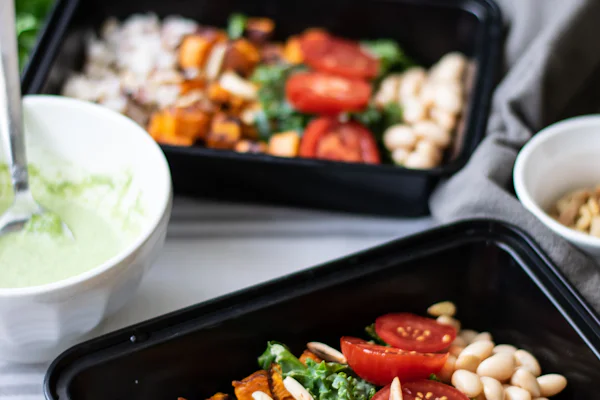
The best high-protein meal plan on a GLP-1 is usually not three giant chicken-breast meals. It is three smaller meals and one snack built around easy proteins such as Greek yogurt, eggs, cottage cheese, chicken, fish, tofu, beans, and shakes, with most meals landing around 25 to 35 grams of protein. That is the easiest way to keep protein up when appetite is down.
If your appetite disappeared halfway through week two, that is not a willpower problem. It is the drug working. In the STEP 1 trial, people on semaglutide lost nearly 15% of body weight on average, and nausea was one of the most common side effects. In SURMOUNT-1, tirzepatide pushed average weight loss even higher, and gastrointestinal side effects were again the most common adverse events, especially during dose escalation. 12
That combination creates a very specific nutrition problem: you still need enough protein to help protect muscle, but the old “just eat chicken breast and broccoli” advice suddenly feels impossible. GLP-1 medications slow gastric emptying, which means food leaves the stomach more slowly, and they increase fullness signals between the gut and brain. 3 The result is that small-volume, easy-to-digest protein usually works better than large, heavy meals.
This guide gives you a full 7-day plan built for that reality. Each day includes breakfast, lunch, dinner, and one snack, with approximate calories and protein totals. The goal is not bodybuilder eating. The goal is enough protein, enough energy, and less stomach drama. For the bigger GLP-1 picture, start with our complete GLP-1 guide. If nausea is your main issue, also read the best foods to eat on GLP-1. If you are worried about lean mass, pair this page with our muscle-loss guide.
The Protein Target That Actually Matters
There is no large randomized trial proving one perfect protein target for people on semaglutide or tirzepatide. The honest answer is that the evidence comes from weight-loss, aging, and muscle-preservation research more broadly. Still, the direction is consistent: when calories drop, protein becomes more important, not less.
The PROT-AGE position paper recommended more than the basic RDA for many older adults, generally around 1.0 to 1.2 grams of protein per kilogram of body weight per day, and sometimes more depending on illness or exercise load. 6 Trials in energy restriction also suggest that higher-protein approaches can help preserve more lean tissue, especially when paired with resistance training. 8
That is why this meal plan aims for a practical middle ground:
- most meals land around 25 to 35 grams of protein
- daily totals usually land around 115 to 140 grams
- volume stays moderate so the meals are realistic on low-appetite days
That per-meal pattern is not random. In a crossover feeding study, adults who spread protein more evenly across breakfast, lunch, and dinner had about 25% higher 24-hour muscle protein synthesis than adults who ate very little protein earlier in the day and most of it at dinner. 5 Separate work in older adults also suggests that meals containing roughly 30 grams of protein are a useful practical target. 7
How To Use This Plan Without Forcing Food
Three rules make this work better:
- Build every meal around one clear protein anchor.
- Shrink portion size before you skip the meal entirely.
- Use liquids strategically when chewing feels like work.
That means half a sandwich plus Greek yogurt is better than waiting for a full dinner you never finish. A 25-gram shake is better than pretending you will cook later. If low intake is already making you tired, our GLP-1 fatigue timeline explains why energy often crashes when protein and fluids fall at the same time.
The 7-Day High-Protein GLP-1 Meal Plan
Macro note: the meal-level protein, carb, fat, and calorie counts below are rounded estimates built from representative USDA FoodData Central entries for each ingredient. Brand-specific products can run higher or lower. 10
Day 1
| Meal | What to eat | Protein | Carbs | Fat | Calories |
|---|---|---|---|---|---|
| Breakfast | 1 cup Greek yogurt, 1/2 cup berries, 2 tbsp high-protein granola | 20 g | 25 g | 5 g | 221 |
| Lunch | Turkey wrap with 4 oz sliced turkey, small tortilla, lettuce, tomato, and 1 cheese stick | 27 g | 21 g | 11 g | 294 |
| Dinner | 4 oz salmon, 3/4 cup rice, cooked zucchini | 29 g | 36 g | 15 g | 391 |
| Snack | Fairlife-style shake or similar 11 oz protein shake | 17 g | 9 g | 0 g | 108 |
Daily total: about 93 g protein, 91 g carbs, 31 g fat, and 1,014 calories
Why this works: day one is intentionally simple. Yogurt and shakes are low-volume, turkey is easy to portion, and salmon gives you protein without the heaviness of a large steak.
Day 2
| Meal | What to eat | Protein | Carbs | Fat | Calories |
|---|---|---|---|---|---|
| Breakfast | 2 eggs scrambled with 1/2 cup egg whites, 1 slice toast | 27 g | 20 g | 12 g | 297 |
| Lunch | Cottage cheese bowl with 1 cup cottage cheese, pineapple, and 10 almonds | 28 g | 24 g | 12 g | 317 |
| Dinner | 4 oz rotisserie chicken, small baked potato, green beans | 41 g | 44 g | 4 g | 380 |
| Snack | 2 oz deli turkey and 1 single-serve Greek yogurt | 24 g | 7 g | 3 g | 149 |
Daily total: about 120 g protein, 95 g carbs, 31 g fat, and 1,143 calories
Why this works: eggs and egg whites are one of the easiest ways to hit 25 grams at breakfast. Cottage cheese is useful on GLP-1 because it gives a lot of protein in a small bowl.
Day 3
| Meal | What to eat | Protein | Carbs | Fat | Calories |
|---|---|---|---|---|---|
| Breakfast | Protein oatmeal made with 1 packet oatmeal, 1 scoop whey, and milk | 31 g | 48 g | 7 g | 381 |
| Lunch | Tuna salad bowl with 1 can tuna, crackers, cucumber, and 1/2 avocado | 25 g | 19 g | 12 g | 284 |
| Dinner | 5 oz tofu stir-fry with edamame, rice, and cooked carrots | 26 g | 51 g | 10 g | 400 |
| Snack | String cheese plus a ready-to-drink shake | 24 g | 10 g | 5 g | 178 |
Daily total: about 106 g protein, 128 g carbs, 34 g fat, and 1,243 calories
Why this works: this is a good day for people who are tired of chicken. Tuna, tofu, and edamame keep the texture softer and the portions smaller.
Day 4
| Meal | What to eat | Protein | Carbs | Fat | Calories |
|---|---|---|---|---|---|
| Breakfast | Smoothie with Greek yogurt, milk, frozen berries, and whey | 44 g | 37 g | 6 g | 376 |
| Lunch | Chicken soup with added shredded chicken and saltines | 39 g | 28 g | 11 g | 367 |
| Dinner | Lean ground turkey taco bowl with rice, salsa, and a small amount of black beans | 38 g | 46 g | 14 g | 458 |
| Snack | 3/4 cup skyr or Greek yogurt | 18 g | 6 g | 1 g | 100 |
Daily total: about 139 g protein, 117 g carbs, 32 g fat, and 1,301 calories
Why this works: on more nauseated days, liquids and soups are often easier than solid meals. This day uses that on purpose without letting protein crash.
Day 5
| Meal | What to eat | Protein | Carbs | Fat | Calories |
|---|---|---|---|---|---|
| Breakfast | 2 egg bites, 1/2 cup cottage cheese, melon | 30 g | 14 g | 18 g | 338 |
| Lunch | Shrimp rice bowl with 5 oz shrimp, rice, cucumber, and light sauce | 38 g | 37 g | 1 g | 308 |
| Dinner | 4 oz chicken thigh, mashed potatoes, cooked spinach | 33 g | 19 g | 15 g | 347 |
| Snack | Protein pudding made with 1 scoop casein or whey mixed into Greek yogurt | 35 g | 15 g | 1 g | 208 |
Daily total: about 136 g protein, 85 g carbs, 35 g fat, and 1,201 calories
Why this works: shrimp is high protein for very little volume. If meat tastes “off” on GLP-1, seafood can be an easier rotation.
Day 6
| Meal | What to eat | Protein | Carbs | Fat | Calories |
|---|---|---|---|---|---|
| Breakfast | 1 cup skyr, banana, and peanut powder stirred in | 22 g | 37 g | 4 g | 270 |
| Lunch | Sourdough sandwich with 4 oz grilled chicken, light mayo, tomato | 41 g | 34 g | 9 g | 378 |
| Dinner | 4 oz cod, quinoa, roasted carrots | 33 g | 36 g | 4 g | 309 |
| Snack | Roasted edamame and a cheese stick | 19 g | 9 g | 11 g | 206 |
Daily total: about 115 g protein, 116 g carbs, 28 g fat, and 1,163 calories
Why this works: cod is mild and usually sits lighter than fattier meats. Peanut powder adds flavor without the heaviness of a large spoonful of nut butter.
Day 7
| Meal | What to eat | Protein | Carbs | Fat | Calories |
|---|---|---|---|---|---|
| Breakfast | Overnight oats with milk, chia, and 1 scoop protein powder | 33 g | 53 g | 11 g | 443 |
| Lunch | 1 cup lentil soup plus 3 oz chicken and crackers | 33 g | 29 g | 6 g | 301 |
| Dinner | 4 oz sirloin, 1/2 cup mashed sweet potato, asparagus | 39 g | 24 g | 10 g | 342 |
| Snack | Greek yogurt cup and jerky | 25 g | 9 g | 8 g | 203 |
Daily total: about 130 g protein, 115 g carbs, 35 g fat, and 1,289 calories
Why this works: day seven is a little more “normal food” for people whose appetite is improving. Lentils and chia also start pushing fiber back up without making the day too bulky.
Screenshot Version: The Fast Rules
- Aim for 25 to 35 grams of protein at each main meal.
- Keep one easy backup protein in the fridge at all times: shake, yogurt, cottage cheese, deli turkey, tofu, or eggs.
- If appetite is low, use half portions plus a protein side instead of skipping the meal.
- Put your easiest protein earlier in the day. Most people under-eat breakfast first.
Best Protein Foods When Appetite Is Tiny
Not all protein foods behave the same on GLP-1. The most useful ones are high in protein relative to volume.
Good first-line options:
- Greek yogurt or skyr
- cottage cheese
- eggs or egg bites
- protein shakes
- deli turkey or rotisserie chicken
- tuna packets
- tofu, edamame, or tempeh
- shrimp, cod, or salmon
These foods work for the same reason practical nausea foods work: smaller volume, softer texture, easier chewing, and less fat overload. If your stomach is touchy, our best foods to eat on GLP-1 goes deeper on what usually lands well during rough weeks.
What To Do on a Bad Nausea Day
Do not try to “make up” protein with one giant dinner. That usually backfires.
Use this sequence instead:
- Start with a few bites or sips every 2 to 3 hours.
- Prioritize fluids and softer proteins first.
- Lower fat before you lower protein.
A practical bad-day menu might be:
- breakfast: drinkable Greek yogurt
- lunch: chicken soup with added chicken
- snack: half a protein shake
- dinner: scrambled eggs and toast
This is not nutritionally perfect. It is realistic, and realistic wins. Persistent vomiting, dark urine, dizziness, or inability to keep fluids down is a prescriber call, not a meal-planning problem.
The Muscle-Preservation Piece Most Meal Plans Skip
Weight loss is not automatically the same thing as body-composition improvement. Lean mass usually drops alongside fat mass during any meaningful calorie deficit. That is part of why protein matters so much on GLP-1.
In the trial by Lundgren and colleagues, combining exercise with liraglutide preserved lean mass better than medication alone during weight-loss maintenance. 4 A separate randomized trial in overweight and obese older adults found that a high-protein diet and resistance exercise helped preserve more fat-free mass during weight loss. 9
The practical takeaway is simple:
- protein helps
- lifting helps more
- protein plus lifting helps most
If preserving strength is a priority, use this meal plan with two to four weekly resistance sessions and track whether your protein is falling hardest on injection day or the day after. That is usually where the plan breaks first.
When To Adjust the Plan
This is a base plan, not a rulebook. Adjust it if:
- you have kidney disease or another condition that changes protein needs
- you are consistently finishing less than half of meals
- constipation rises because you cut fiber too aggressively
- calories are so low that fatigue, dizziness, or cold intolerance are showing up
In those cases, the next move is usually not more discipline. It is smaller meals, easier proteins, and sometimes a slower dose escalation with your prescriber.
The Bottom Line
The best GLP-1 meal plan is not the one with the cleanest ingredients list. It is the one you can actually finish while your appetite is suppressed. For most people, that means moderate meals, obvious protein anchors, and a backup plan for the days when normal food sounds terrible.
Hit the protein target often enough, not perfectly. If you want a broader guide to how these medications work, go back to our GLP-1 basics pillar. If your next problem is low energy, the fatigue timeline guide is the next read.