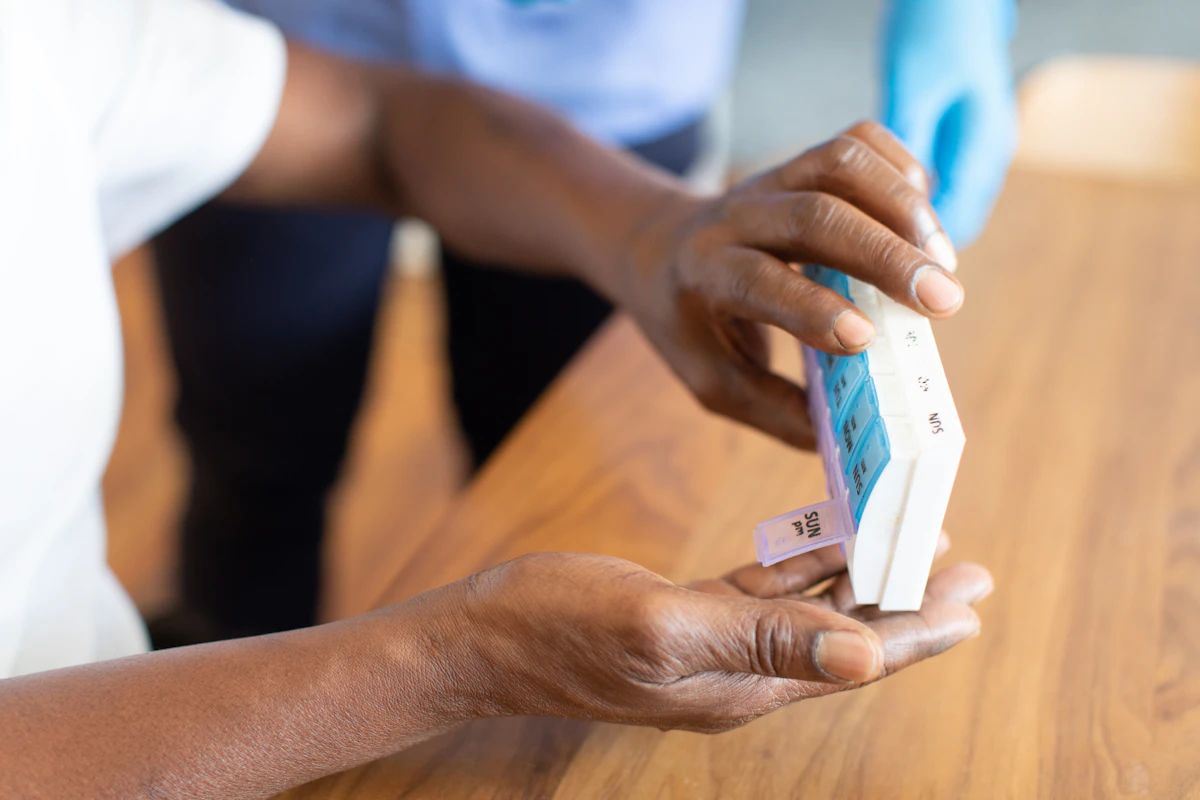
If you take a GLP-1 through your employer’s health plan, the only thing that decides your 2027 cost is what your own plan documents say. Not the headlines. Three documents answer it: the Summary of Benefits and Coverage, your plan’s prescription drug list, and your open enrollment packet. This guide shows where each one comes from, which line to read, and what to ask your benefits team before enrollment closes. It covers cost, coverage, and paperwork only — nothing about which medication to take or whether to stay on one. That is between you and your prescriber.
What is actually happening to employer GLP-1 coverage in 2027?
Employers are trimming, not stampeding for the exit.
In the Business Group on Health 2026 Employer Health Care Strategy Survey of 105 large employers, 67% covered GLP-1s for weight management. Of those, 72% said they were likely to continue that coverage in 2027 and 10% said they likely would not (Business Group on Health, 2026 Employer Health Care Strategy Survey, May 2026).
Mercer’s National Survey of Employer-Sponsored Health Plans found a similar picture among employers with 500 or more employees: 6% dropped weight-loss GLP-1 coverage for 2026, and 5% planned to drop it or were considering dropping it for 2027. Another 27% had tightened or planned to tighten utilization controls (Mercer, June 2026).
So the likeliest change at your employer is not a cut. It is a tighter rule.
Which documents tell you whether your plan is changing?
1. The Summary of Benefits and Coverage (SBC). Every group health plan has to give you one under Section 2715 of the Public Health Service Act (CMS, April 2026). It comes from your plan or insurer, usually through your employer’s benefits site. When coverage renews automatically, CMS says a new SBC generally must be provided at least 30 days before the new plan year begins. You can also ask for one any time, and CMS says plans must generally deliver it within seven business days of the request.
Read two parts. In the “Common Medical Events” chart, find the row “If you need drugs to treat your illness or condition” — that is where your prescription tiers and copays live. Then read “Excluded Services & Other Covered Services,” which lists what the plan does not cover (CMS, April 2026). The SBC is a summary, so it may not name your specific drug. That is what the next document is for.
2. The prescription drug list (formulary). This comes from the pharmacy benefit manager, not usually from HR, and it is the only document that names medications. Search the 2027 list for your drug by brand name. You are looking for three things next to it: whether it appears at all, its tier, and any codes in the notes column — usually PA for prior authorization, ST for step therapy, and QL for quantity limits. A drug that stays on the list but picks up a “PA” or “ST” code is a real change to how you refill.
3. The open enrollment packet. This is where the employer explains its own decisions in plain language — new program requirements, new vendors, plan options added or retired. Skim it for weight management, obesity, specialty, and step therapy. If the packet contradicts the SBC, the plan documents win, and that is worth raising with HR in writing.
What should I ask HR or the benefits line?
Copy these. Ask for answers in writing, and note the date you asked.
- “Is coverage for weight-management medications continuing under our 2027 plan? If it is being removed, on what date does it end?”
- “Are oral GLP-1 medications on the 2027 formulary, and at which tier?”
- “Is prior authorization changing for these medications in 2027 — new criteria, new documentation, or a new renewal interval?”
- “Is a step-therapy requirement being added, meaning I would have to try another medication first?”
- “Will enrollment in a weight-management or lifestyle program be required as a condition of coverage in 2027?”
- “If I have an approved prior authorization now, does it carry into 2027 or do I have to start over?”
That last question is the one people forget, and it is the one that most often causes a gap at the pharmacy in January.
What are my options if coverage is being dropped?
Look at your other plan choices first. If your employer offers more than one medical plan, the drug lists can differ between them. Open enrollment is the one window where switching costs you nothing but paperwork.
Price the cash-pay channels. Manufacturers sell directly, and those prices do not depend on your employer.
- Novo Nordisk lists Wegovy self-pay pricing through NovoCare Pharmacy or its savings offer. As of August 21, 2026, the Wegovy pill is listed starting at $149 per month for the 1.5 mg or 4 mg doses, with the page stating “Pricing to be updated after August 31, 2026.” Wegovy injection pens are listed starting at $199 per month for the first 2 months for new patients, a limited-time offer with pricing “to be updated after December 31, 2026” (NovoCare, verified August 21, 2026).
- Eli Lilly lists Zepbound single-dose vials through the Zepbound Self Pay Journey Program on LillyDirect at $299 per month for 2.5 mg, $399 for 5 mg, and $449 for all other approved doses (Eli Lilly press release, December 2025). Self-pay pricing for the Zepbound KwikPen starts at $299 per month for the 2.5 mg dose at LillyDirect and at major pharmacies (Eli Lilly press release, March 2026).
These prices move. Check the manufacturer page on the day you decide, and use our GLP-1 Price Index to compare what each channel is charging right now. If you want the arithmetic done for you across insurance, direct-purchase, and pharmacy options, run your situation through the Price Check tool.
Sort out your HSA and FSA elections during enrollment, not after. IRS Publication 502 says you can include in medical expenses the amounts you pay for prescribed medicines and drugs (IRS Publication 502, February 2026). If you expect to pay cash next year, your contribution election is what lowers the after-tax cost — and you generally cannot change it mid-year without a qualifying event. Confirm the rules with your plan administrator before you elect.
One caveat worth knowing. On January 1, 2027, Medicare’s negotiated price for Ozempic, Rybelsus, and Wegovy drops to $274 per 30-day supply, against a 2024 list price of $959 — a 71% discount (CMS, Negotiated Prices for Initial Price Applicability Year 2027). That price is for Medicare Part D. It does not set what your employer plan pays, and Mercer noted in November 2025 that the related manufacturer agreements “do not address prices charged to employer health plan sponsors and covered plan members.”
What dates should I have on my calendar?
| Date | What happens |
|---|---|
| Aug 31, 2026 | Novo Nordisk’s page states Wegovy pill pricing is “to be updated after August 31, 2026” (NovoCare, verified Aug 21, 2026) |
| Fall 2026 (employer-set) | Your open enrollment window. Dates are set by your employer — check your benefits portal, not a national calendar |
| ≥30 days before plan year start | Deadline for a new SBC when coverage renews automatically (CMS, April 2026) |
| 60 days before effective date | Notice generally required for a mid-year change that would affect the SBC (CMS, April 2026) |
| Dec 31, 2026 | Novo Nordisk’s page states Wegovy pen new-patient pricing is “to be updated after December 31, 2026” (NovoCare, verified Aug 21, 2026) |
| Jan 1, 2027 | Most employer plan years begin. Medicare’s negotiated $274 price for Ozempic, Rybelsus, and Wegovy takes effect — Medicare Part D only (CMS, IPAY 2027) |
| Dec 31, 2027 | Medicare GLP-1 Bridge ends. CMS extended it from 2026 through December 31, 2027 after the BALANCE model did not launch in 2027. This applies to Medicare Part D beneficiaries, not employer plans (CMS, page updated July 13, 2026) |
The short version
Request your 2027 SBC and drug list. Read the prescription row and the exclusions list. Email HR the six questions above and keep the reply. Do it before your enrollment window closes, because after it closes your options narrow to cash-pay and an appeal.
This article covers cost, coverage, and administrative process only. It is not medical advice and does not recommend any medication. Talk to your prescriber about treatment decisions.